

Chunked shots aren’t what you think they are.
The real problem isn’t the divot
Most golfers believe a chunk happens because the club digs into the turf and the divot gets trapped between the clubface and the ball. Usually, it’s not that.
The real problem is that the moment the sole contacts the turf, it loses significant clubhead speed. The turf slows the club before it reaches the ball, so by impact there’s far less energy left to transfer. A shot can feel chunked even when it’s struck reasonably well — it’s the speed loss through the turf, not the divot.
With most clubs, the only fix is to strike the ball first, every time. Contact the turf first and speed drops dramatically, distance disappears, and the shot finishes short.
You can’t always avoid the turf
Sometimes it’s impossible to avoid contacting the turf first. Even the best players in the world hit the ground before the ball multiple times a round. So we designed a sole that lets you contact the turf before the ball without dramatic speed loss — a significant improvement in distance-control consistency.
Introducing Split Sole Geometry
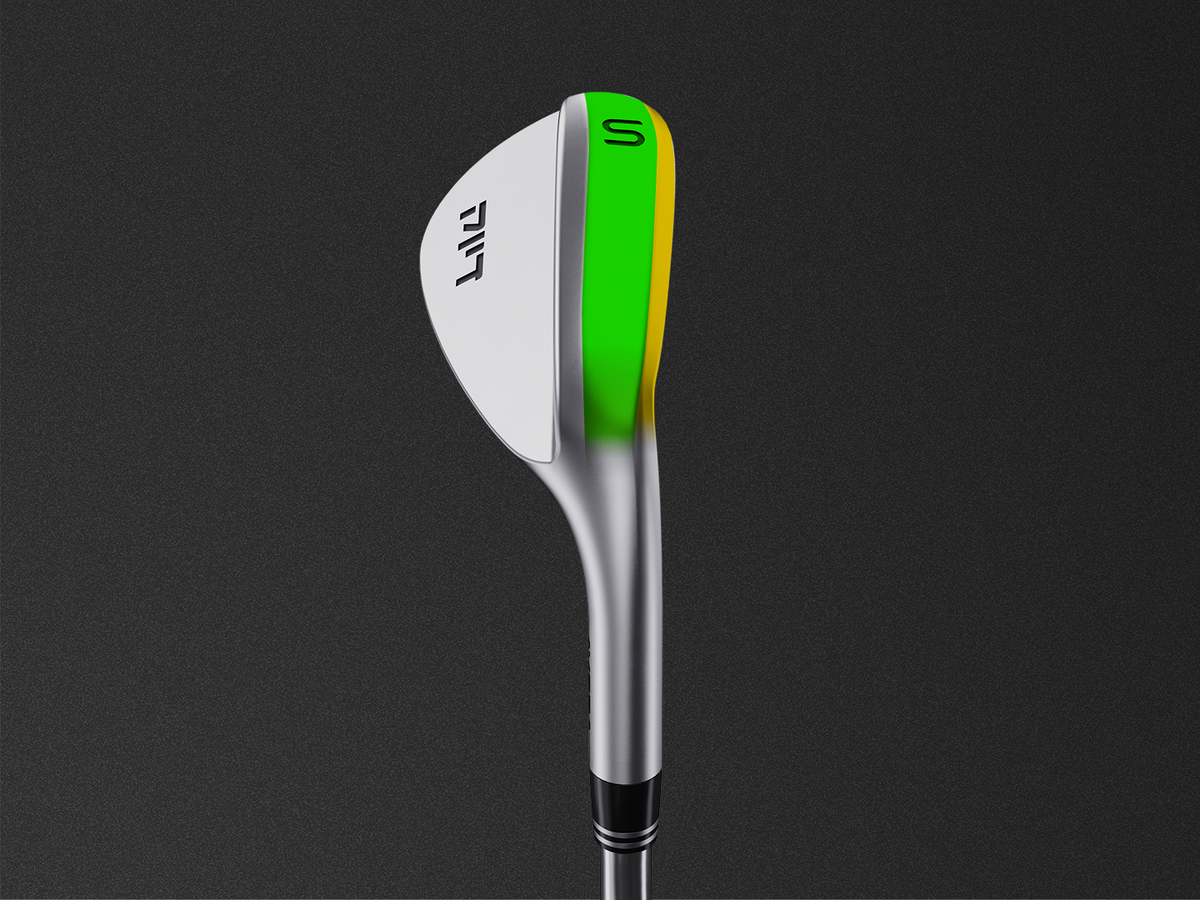
Split Sole Geometry delivers optimal turf interaction by reducing the drag that robs speed through impact. It divides the sole into two engineered sections.
The front sole
Manages initial contact and prevents digging as soon as it touches the turf.
The midsole
Controls movement through the turf, giving just enough resistance to stop the club slipping under the ball.
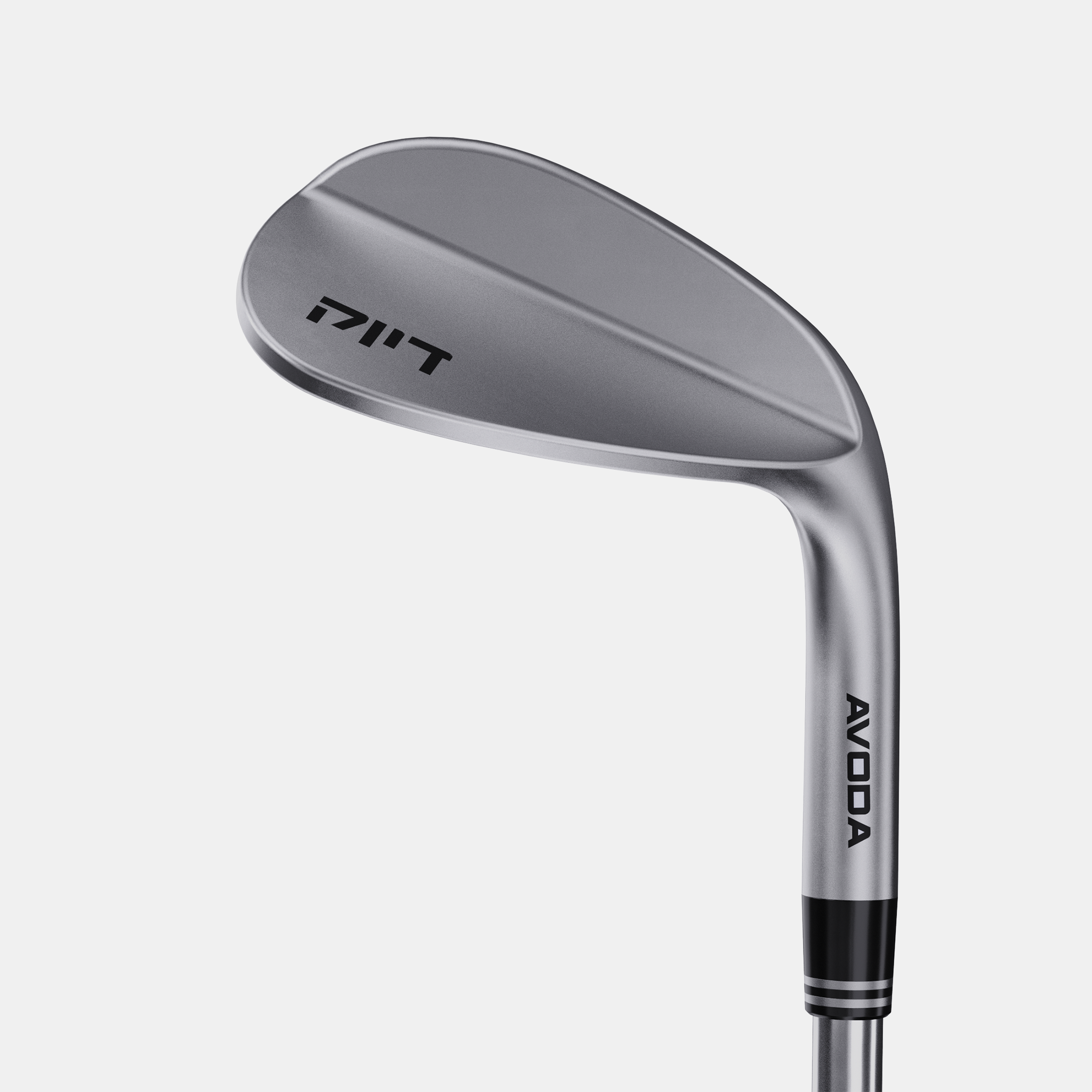
Together, they maintain clubhead speed through the turf, even when the club contacts the ground before the ball. It’s built into wedges like the W2 and W3.
The myth, put to rest
Your chunked shots weren’t what you thought. They’re the result of a dramatic loss in clubhead speed caused by inefficient sole designs. Until now. Not sure which wedge is right for you? Compare the W1, W2 and W3.