
Nobody hits the center of the face every time. Not you. Not tour players.
Miss the middle by a fraction of an inch and the ball leaks offline. And the faster you swing, the further offline it goes. A tiny strike error turns into a real miss — the kind that turns a green in regulation into a scramble for par.
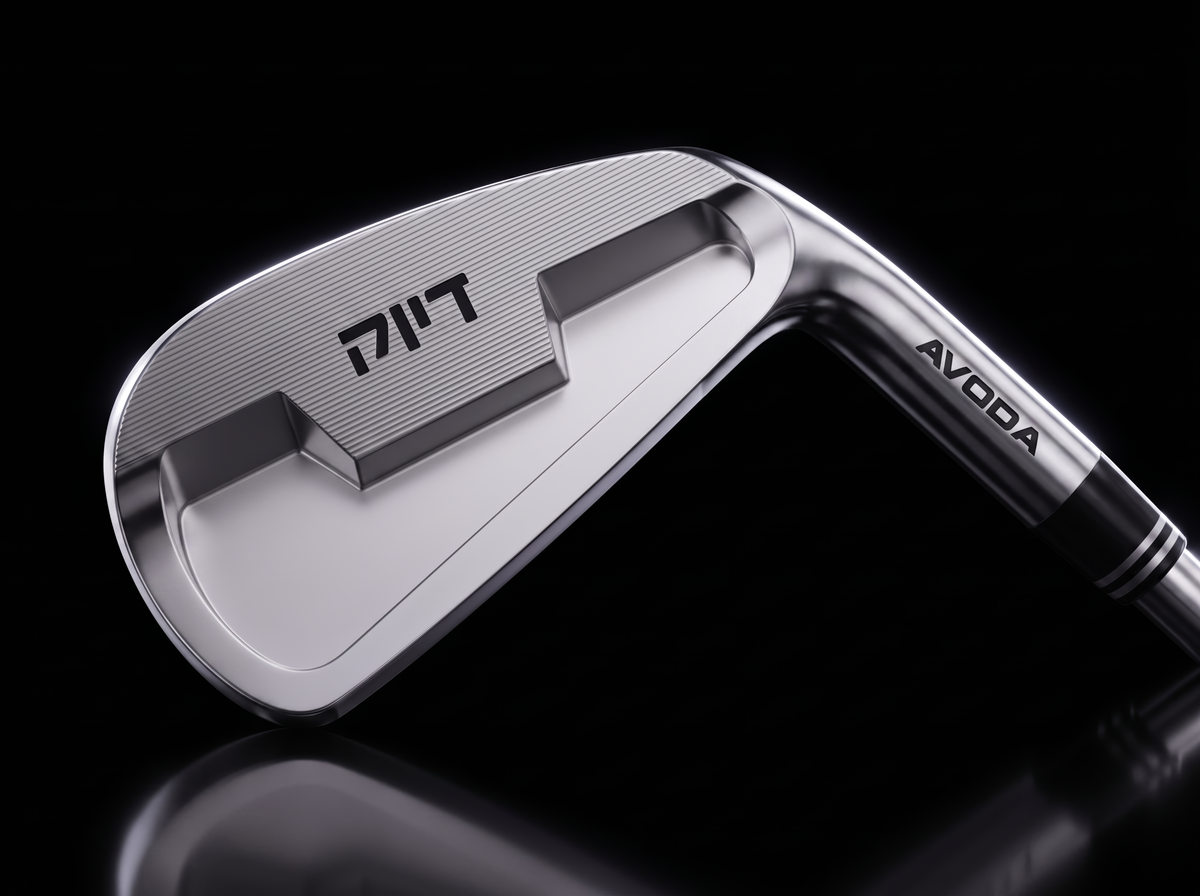
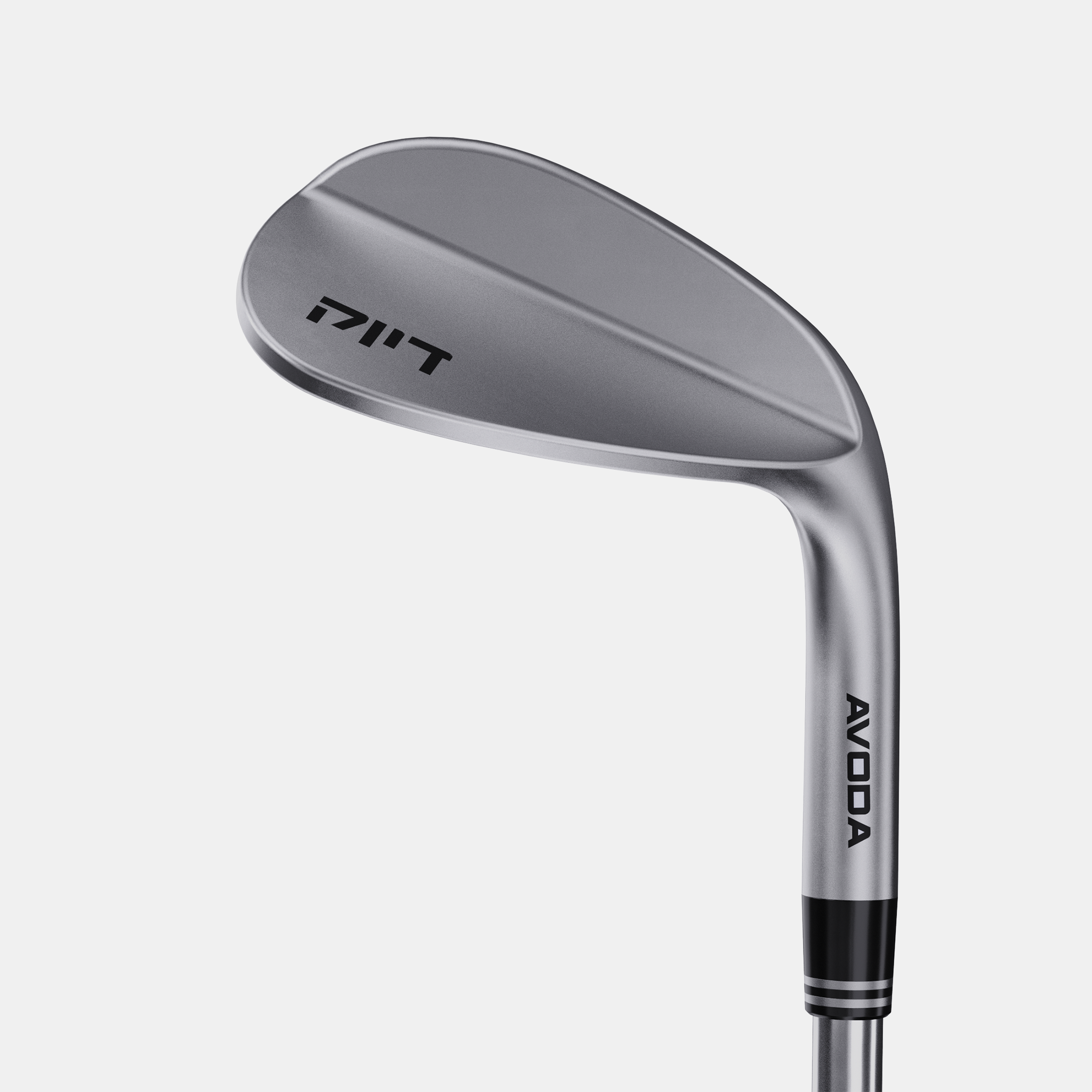
A curved face iron counteracts those off-center hits. Dispersion tightens, and your misses finish closer to the hole. The shots you thought you flushed go where you aimed. The ones you barely missed still find the green.
Where curved face irons came from
This started on a driving range, testing prototype gear with coach Mike Schy and one of his tour players. We were chasing marginal gains — raw forgings, custom setups, anything that might tighten a pattern.
Mike had an idea: add a little curvature to the face of an iron. Not just for the big toe-and-heel misses, but to tighten dispersion on the shots missed by a fraction of an inch. He walked over to the bench grinder and hand-ground a subtle curve into a raw forging.
The player hit one shot, turned around, and said, “This is the future.”
We built him a full set. That set was tuned so precisely to his game that it wouldn’t make sense for most players — but the idea behind it was too good to keep private. So we refined it, tested it across player types and swing speeds, and built a version that works for real golfers, not just tour pros.
How progressive face curvature works
We didn’t copy a driver face onto an iron. We engineered the curvature for iron play, and we made it progressive.
The curve increases from the pitching wedge through the 4 iron — more pronounced as loft decreases. That matches the natural increase in clubhead and ball speed as you move into the longer irons, exactly where off-center hits are hardest to control.
- The 4 iron has the most curvature, where dispersion is toughest to manage.
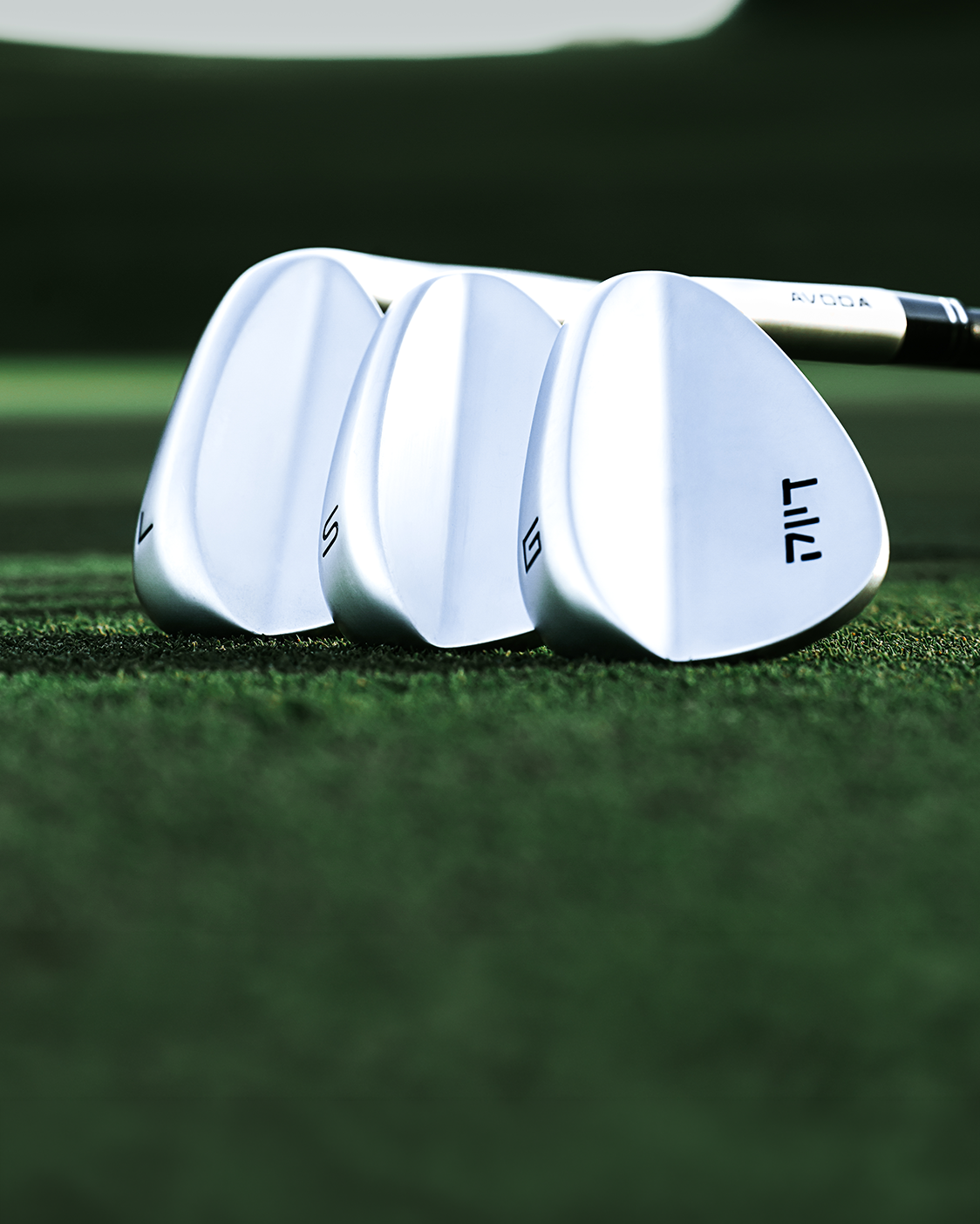
- The pitching wedge has the least, where loft already keeps you accurate.
The result: shots start closer to your target and miss less offline. A heel strike that would normally push right holds its line. A toe strike that would pull left stays on track. Your dispersion tightens throughout the set — and most of all in the long irons.
Why it adds up
You don’t need a perfect swing to score. You need your misses to stay closer to your target. Tighter dispersion on off-center hits, hole after hole, is what turns a good round into a lower number. That’s the whole point of a curved face.
Not sure a curved face suits your swing speed? See flat-faced vs curved-face, or choosing your set type.
Golf Monthly named the Origin Curved Face Irons in their Editor's Choice 2026, one of the 120 best products in golf this year. Read more.