

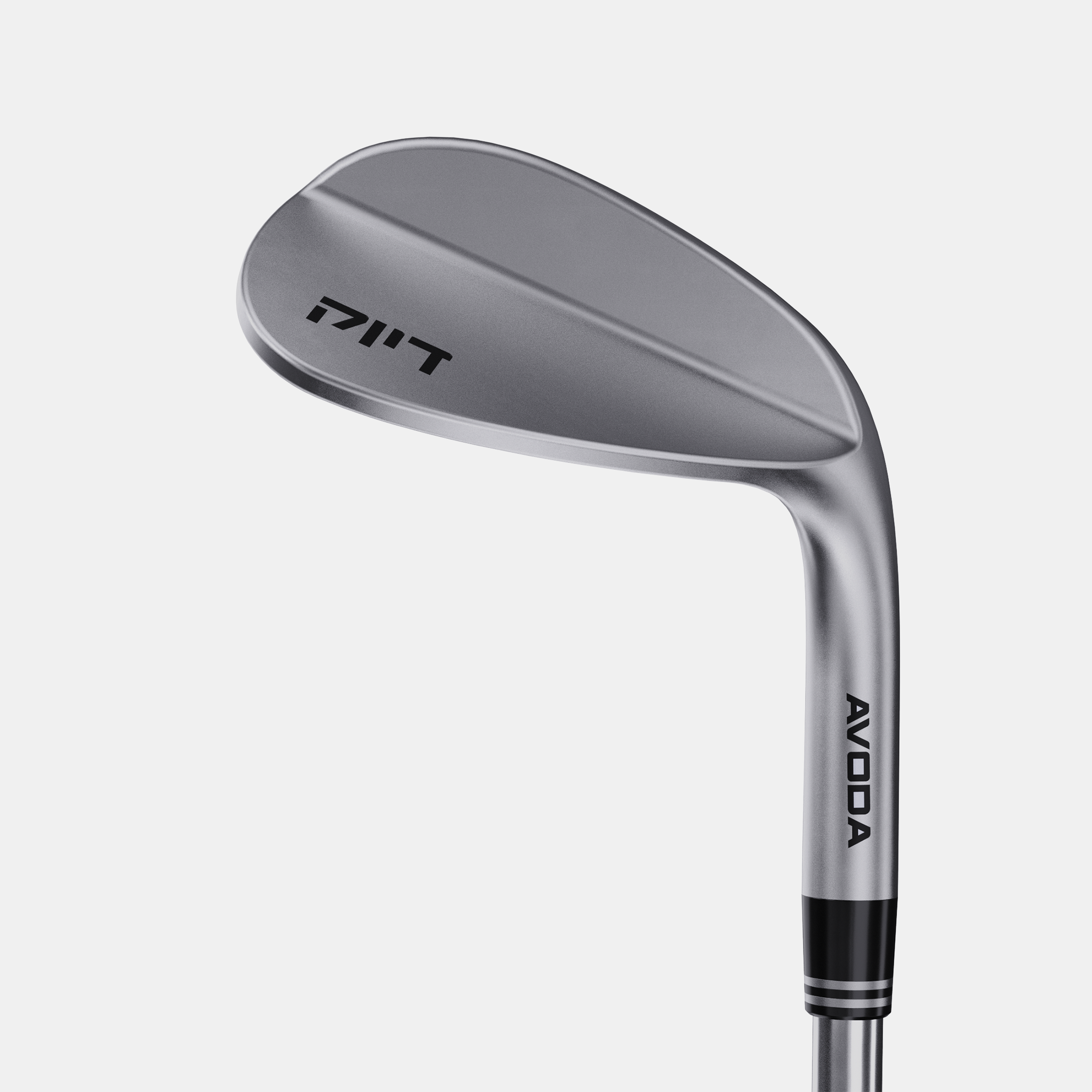
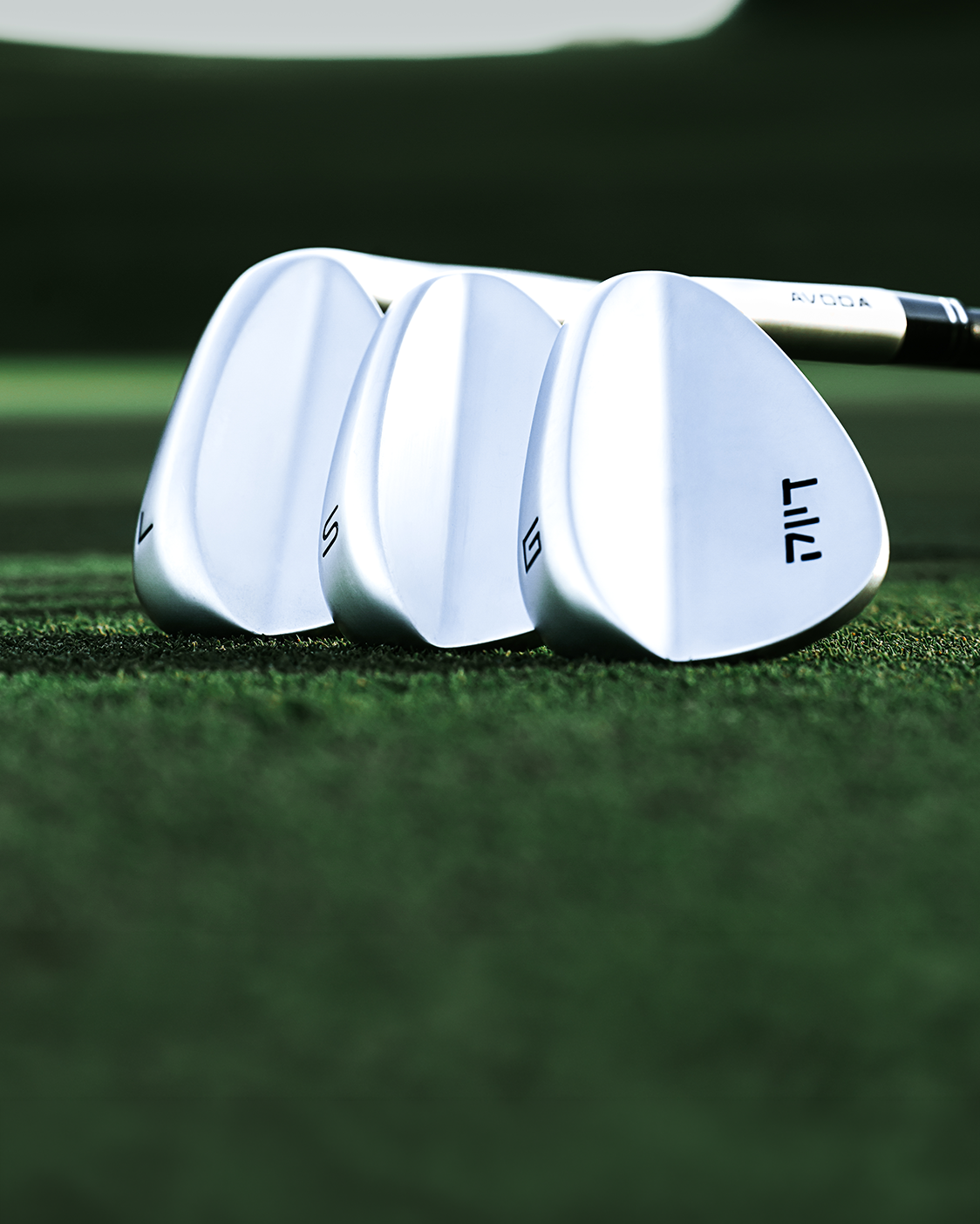

Most golfers think they have to choose between traditional length and same length irons. The truth is, you shouldn't have to choose at all.
For years, golfers have been told to choose between traditional length and same length irons. Both have real advantages — and both have real disadvantages. Traditional length gives you more speed and distance in the mid and long irons, but every club requires a different setup, posture and swing feel, making important scoring shots harder to control. Same length simplifies the swing and improves consistency, especially in the short irons and wedges, but many golfers give up speed and distance in the lower-lofted irons and find a 7-iron-length wedge uncomfortable.
So we asked a simple question: why should golfers have to accept the disadvantages of either system? Instead of choosing one over the other, we built combo length — the advantages of both, without the disadvantages. Not traditional. Not same length. The best of both.
The payoff
Imagine one consistent setup through your short irons and wedges, while still generating speed, distance and height with your mid and long irons. That's exactly what combo length delivers — it simplifies the clubs where precision matters most while preserving the performance you need where distance matters most.
How it works
- Short irons and wedges, same length. Played at 36 inches, roughly your pitching wedge or 9-iron. One posture, one ball position, one repeatable swing where precision matters most — without adapting to a 7-iron-length wedge.
- Mid and long irons stay variable length. They gradually increase in length so you maintain clubhead speed, launch and carry through your lower-lofted irons.
- The whole set blends seamlessly. Every head weight, shaft progression and spec is engineered so the transition feels natural — one complete system, not two sets stitched together.
Strategic loft gapping: carry the clubs you actually want
Most traditional sets gap lofts at 3–4° across the whole set. That sounds like tighter distance control — but it mostly means more irons to sell, and it leaves you deciding which favourite club to leave at home. It doesn't even deliver the control it promises: better players manage dynamic loft well enough that they don't need tight gaps, and everyone else often hits their 7, 8 and 9-iron the same distance anyway.
Strategic loft gapping fixes it — 5° gaps through the scoring clubs and 4° through the long irons, covering the same 60° to 20° range with just 10 clubs instead of 11 or 12. That frees up 3–4 slots in your bag for the clubs you actually want off the tee and around the green: a 5-wood, a hybrid, a driving iron, a specialty wedge — all without breaking the 14-club limit.
The myth
The myth is that you have to pick a side — that if you want consistency you give up distance, or if you want distance you accept inconsistency. That's the false choice golfers have been stuck with for years.
The bottom line
Traditional length helps create speed and distance. Same length helps create consistency and control. But neither one has to be the whole answer. Combo length was built to solve the full problem — the repeatability of same length where precision matters most, and the speed of variable length where distance matters most. You're not choosing between two compromises; you're choosing a system designed to give you the strengths of both.
If you've only tested traditional or same length, you're making the game tougher than it has to be.
